
.webp&w=48&q=75)
We are seeing significant transformations in artificial intelligence and its deep integration into search engines and content discovery systems. In 2026, the shift is no longer theoretical. AI search experiences, generative results, and algorithmic updates are actively reshaping how websites gain visibility and traffic.
Recent updates to Google’s Discover algorithm now prioritize locally relevant, trustworthy content while reducing visibility for sensational or clickbait-style headlines.
This signals a continued move toward high-quality, user-focused content rather than traditional SEO tactics such as aggressive keyword optimization. Websites targeting regional audiences may benefit from providing accurate, localized information.
AI-powered search experiences, such as AI Mode, AI Overviews, and conversational search, are rapidly gaining adoption.
Digital marketing reports indicate that AI search platforms, including ChatGPT-style interfaces and Google’s generative search experiences, are reshaping how users find information online.
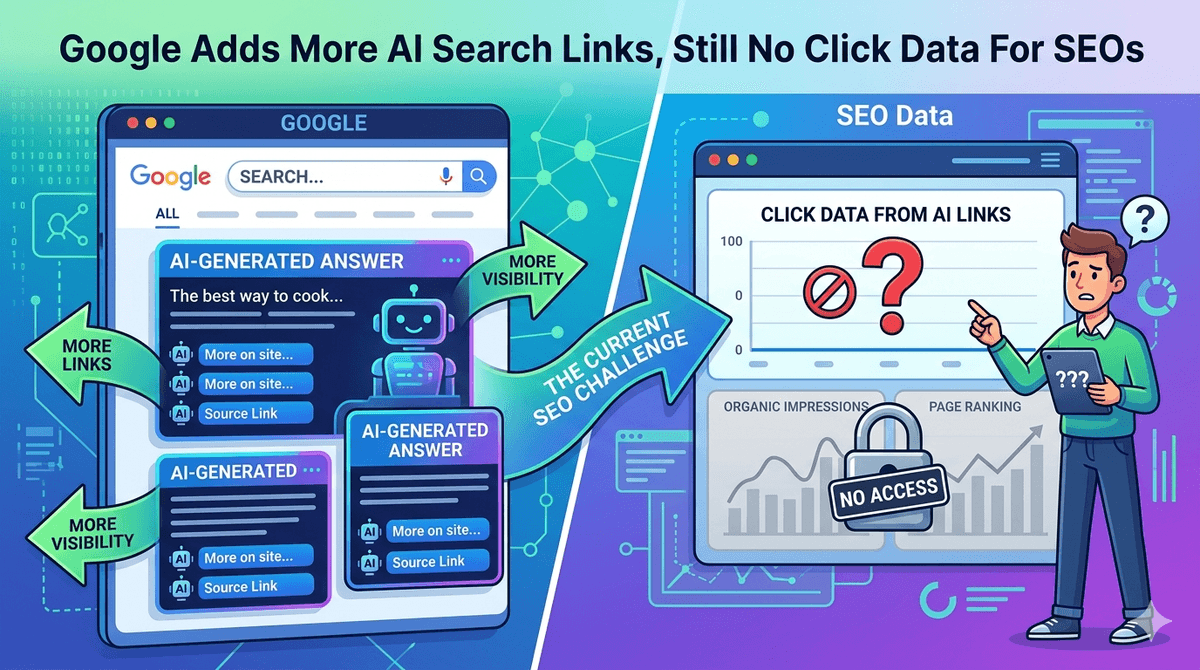
Because AI systems frequently answer questions directly on the results page, fewer users need to click through to websites, creating a growing “zero-click” search environment.
Industry analyses show that the expansion of AI Overviews across search queries has significantly lowered organic click-through rates in many sectors. Some reports estimate significant declines in CTR when AI-generated answers appear prominently, indicating a structural shift in search economics.
This shift means ranking on the first page alone is no longer sufficient. Content must also be cited or referenced within AI answers to maintain visibility.
As generative AI systems increasingly synthesize answers rather than listing links, a new discipline often called Generative Engine Optimization (GEO) is emerging.
Research shows that AI-native search systems rely more on semantic relevance, entity recognition, and authority signals than simple keyword matching.
For marketers, this means that building topical authority, structured data, and strong brand signals is becoming essential to appear in AI-generated responses.
Search engines and AI assistants are placing greater emphasis on Experience, Expertise, Authoritativeness, and Trustworthiness (EEAT). Industry experts suggest that expert-led content, verified authors, and recognizable brands are more likely to be cited by AI systems than anonymous, generic content.
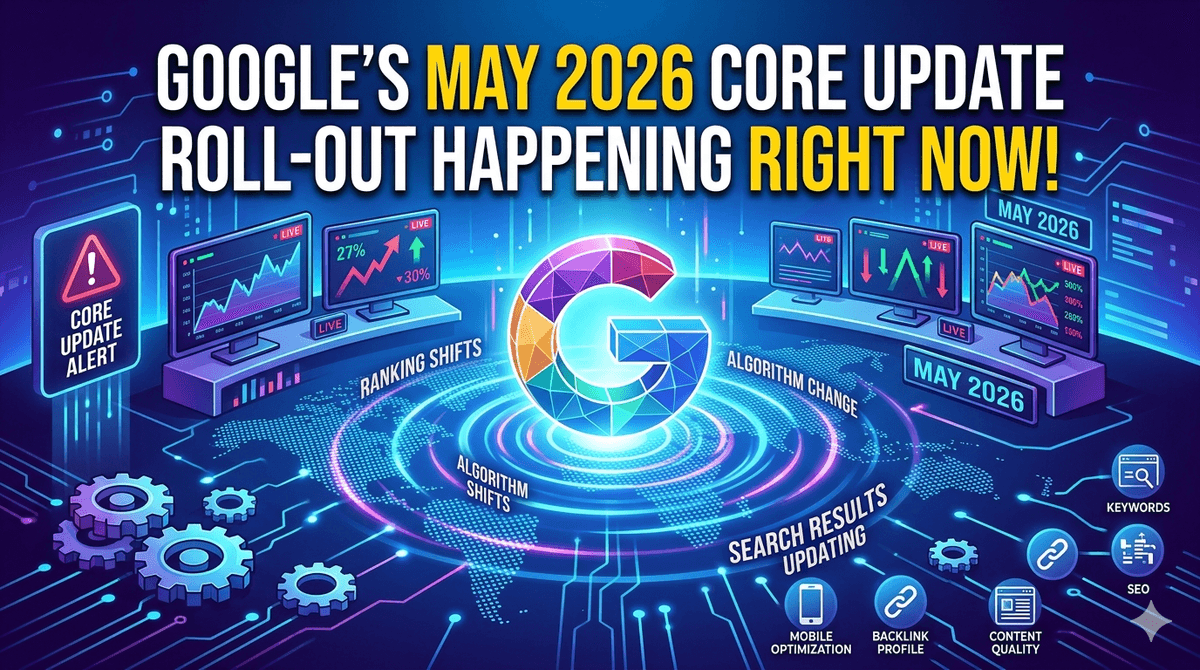
Recent core updates and ranking changes have already caused significant traffic volatility across publishers and news sites, with some sectors experiencing sharp visibility losses after algorithm adjustments tied to AI-driven search experiences.
This highlights the importance of diversified traffic strategies, including brand search, email audiences, and social distribution.
The integration of AI into search engines is transforming SEO from a keyword-centric discipline into a credibility-driven ecosystem in which authority, trust, and semantic relevance drive visibility. Businesses that adapt early, by focusing on authoritative content, brand recognition, and AI-ready optimization, will be best positioned to succeed in the next era of search.

With over 15 years at the forefront of strategic business growth, Sanjay Bhattacharya collaborates with CEOs and founders to reshape market positioning and drive sustainable success. Throughout his journey, he has worn many hats—from Fractional CMO for fast-growing startups to serving as Head of Marketing & Business Strategy at PRIMOTECH. He has been Featured in Under30CEO, American Marketing Association, CMO Times, CTOsync, DesignRush, Earned, HubSpot, MarketerInterview, and more.
.webp&w=32&q=75) 27 May 2026
27 May 2026